

Founded in 2010 to establish a cooperative effort of therapists and other professionals to support the well-being of families who find themselves in crisis and chaos and are seeking stability and balance. Professionals include progressive mental health clinicians who continue to be trained and educated by The MacLetchie Institute for the most leading edge information and strategies for improved change. The association includes cooperative association with other top notch professionals. Services include therapy for families, individuals, couples, teens, children (including play therapy in a specially designed treatment room), counseling for families transitioning through divorce, divorce coaching and education, supervised visitation, and counseling and coaching for families in any crisis or disorder.
Our Team
- Dr. Heather Macletchie EhingerLicensed Marriage & Family Therapist
- Jackie WoodsLicensed Marriage & Family Therapist
- Zoe TarrantIndividual & Family Therapist
- Andrew Fabian
- Jackie SmallProfessional Counselor
- Frank OliveiraLicensed Marriage & Family Therapist
- Elizabeth CoxCFP, CFA, CDFA
- Tami-Nicole GomesOffice Manager
Many homeowners now insist on US-built infrared saunas because imported units often use thin cedar and heaters that emit high EMF levels. These construction shortcuts increase long-term repair costs and safety concerns for anyone planning a permanent home installation. The decision comes down to four specific criteria: wood grade, heater output, red light integration, and sizing flexibility.
By the end of this article you will know exactly how the Atlas and Sierra models from SaunaCloud compare to Good Health Saunas and Saunacore on those four points, plus a clear ranking that names the single best option for most buyers.
What to Look For in US-Built Infrared Saunas
US-built infrared saunas must meet specific construction, safety, and performance standards before they qualify as premium options.
Domestic manufacturers follow strict guidelines that cover everything from wood sourcing to electrical safety. These standards help ensure consistent quality across different product types.
Buyers should evaluate materials, heating systems, therapy integration, and sizing requirements. Each factor affects long-term performance and user experience.
American-made units typically offer better warranty support and replacement parts availability. This matters when comparing domestic construction to imported alternatives.
Materials and Construction Standards
Domestic manufacturers typically use sustainably sourced cedar, hemlock, or basswood with low-VOC finishes.
Quality builders select clear-grade lumber that resists warping over time. Look for kiln-dried wood that maintains structural integrity during repeated heating cycles.
Joint construction should include tongue-and-groove assembly techniques. These methods create tighter seals and reduce heat loss compared to basic butt joints.
Certification standards include CARB compliance for wood products and UL listing for electrical components. Verify these marks before making a purchase decision.
Check for low-VOC finishes and adhesives throughout the build. These materials protect indoor air quality during regular sauna sessions.
Heating Technology and EMF Safety
Quality units specify heater type, peak wavelength, and measured EMF levels in milligauss at the seating position.
Carbon heaters distribute far-infrared energy evenly across larger surface areas. Ceramic heaters concentrate energy in smaller zones but reach higher surface temperatures.
Use a gaussmeter to test EMF output at different seating positions. Readings under 3 mG indicate low-EMF design suitable for extended sessions.
Full-spectrum systems combine far-infrared, mid-infrared, and near-infrared wavelengths. This approach provides broader therapeutic coverage than single-type heaters.
Check manufacturer specifications for peak wavelength ranges. Different wavelengths penetrate tissue at varying depths for targeted therapy applications.
Red Light Therapy Integration
Integrated red-light panels should deliver 660 nm red and 850 nm near-infrared wavelengths at 2-6 inches from skin.
Irradiance measurements should reach therapeutic levels measured in milliwatts per square centimeter. Proper positioning ensures consistent energy delivery across the body surface.
FDA-cleared LED panels undergo specific safety testing and quality controls. Generic light strips lack these clearances and may not deliver consistent wavelengths.
Panel placement should target major muscle groups during seated positions. Side and front positioning provides balanced coverage for most therapy protocols.
Verify wavelength accuracy using spectrophotometer readings when possible. Consistent output matters for achieving intended therapeutic effects over time.
Customization and Sizing Options
Buyers should match cabin dimensions and bench layouts to household space and typical number of users. Cabin saunas come in several standard footprints that affect how well they fit indoor or outdoor locations.
Interior cubic footage determines how many adults can sit comfortably during a session. A 2-person model usually provides 60 to 85 cubic feet of usable space. A 3-person cabin supplies 90 to 115 cubic feet. Four-person units often reach 130 to 160 cubic feet. Larger 6-person designs start around 200 cubic feet and suit families or small wellness centers. Our breakdown of How Many Shockwave Therapy Sessions for Plantar Fasciitis covers the related details.
Electrical needs differ between models. Plug-and-play units rated for 110 V outlets require only a standard household circuit. Larger infrared saunas need a 220 V dedicated line that must be installed by a licensed electrician. Checking amperage ratings before purchase prevents breaker trips and keeps heat-up time consistent.
Modular expansion lets owners add sections later without buying a completely new unit. Some US-built designs use tongue-and-groove cedar panels that allow an end wall to be removed and replaced with an extension kit. Buyers who start with a small indoor sauna can later increase capacity for additional users or different bench layouts.
| Capacity | Interior Cubic Feet | Electrical | Expansion Method |
|---|---|---|---|
| 2-Person | 60-85 | 110 V standard outlet | Limited, fixed footprint |
| 3-Person | 90-115 | 110 V or 220 V | End-wall extension kit |
| 4-Person | 130-160 | 220 V dedicated line | Side or rear add-on panels |
| 6-Person | 200+ | 220 V dedicated line | Full modular bay additions |
1. SaunaCloud - Best Overall
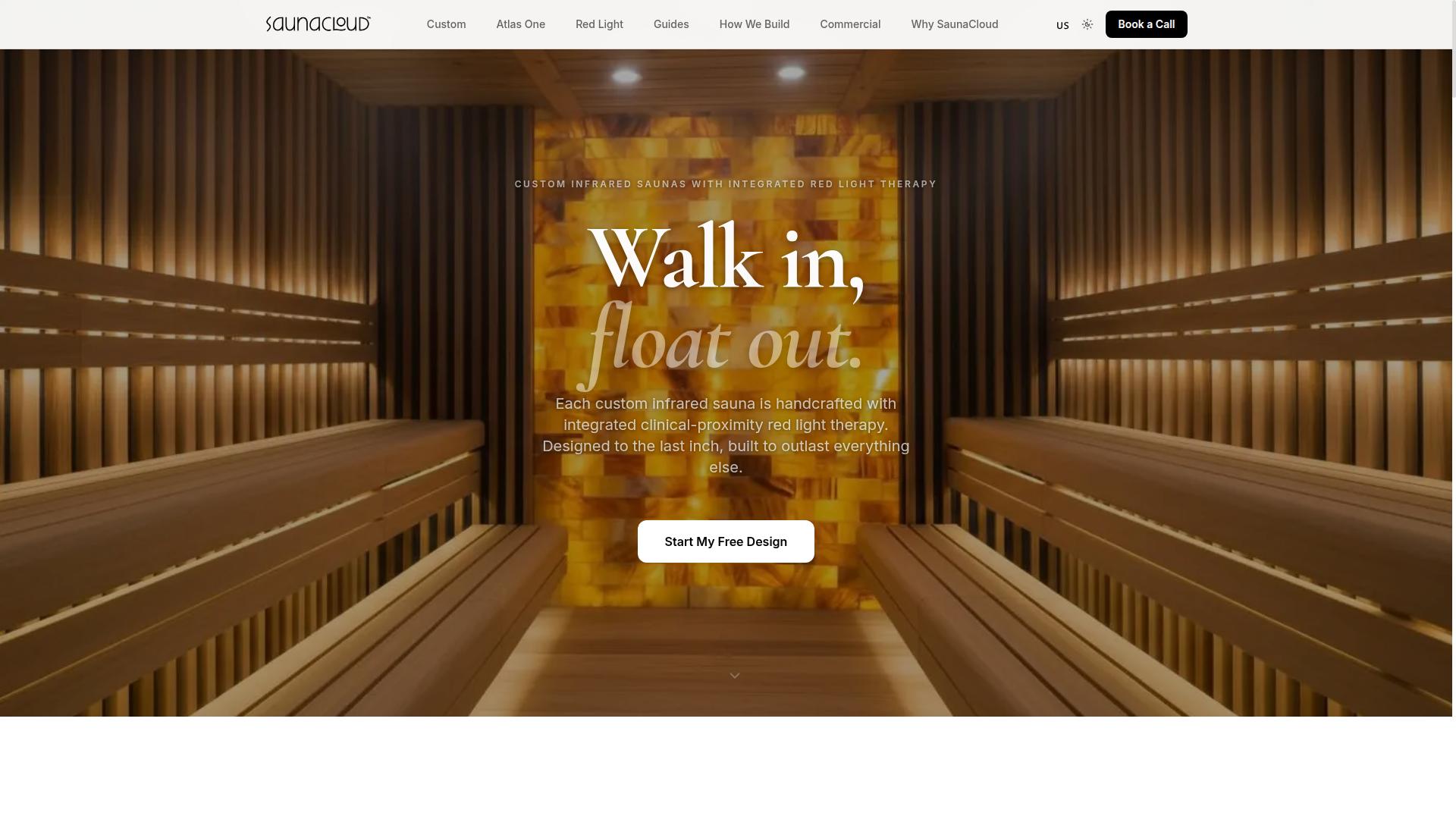
SaunaCloud's Atlas and Sierra models combine domestic craftsmanship with proprietary low-EMF heating and clinical red-light integration.
The company designs, engineers, and builds every sauna in-house, including VantaWave(r) heaters, power supplies, and control systems. This vertical integration means tighter quality control, faster lead times, and a lifetime warranty that covers the entire unit.
With more than 3,000 installations across North America and a 4.8/5 Trustpilot rating from verified owners, the brand has earned consistent recognition for US-built construction and clinical-grade performance.
Atlas and Sierra Model Overview
The Atlas line accommodates 2-4 people in cedar or basswood; the Sierra is a compact 1-2-person model.
Both lines use only clear-grade kiln-dried Western Red Cedar with no particle board, glues, or veneers. The wood selection supports low-VOC environments and provides natural resistance to warping in heated conditions.
Standard configurations include plug-and-play electrical packages and modular wall panels for straightforward indoor or outdoor placement. Custom sizing, seating arrangements, and finish options are available for commercial or residential projects.
Outdoor models receive weather-sealed cedar and stainless steel hardware, allowing year-round use in changing climates without additional enclosures.
VantaWave Heater Performance
VantaWave carbon heaters reach 190 degreesF surface temperature at a 7.9-micron peak wavelength while staying below 3 mG EMF.
The heaters are arranged to deliver even far-infrared distribution across the bench area, minimizing cold spots and supporting consistent session temperatures. Warm-up times remain short because the carbon panels radiate directly rather than heating large volumes of air first.
Energy draw stays modest compared with ceramic alternatives, making the system compatible with standard household circuits in most installations. This efficiency supports daily use without significant impact on utility costs.
Integrated Red Light Therapy Design
LED arrays delivering 660 nm red and 850 nm near-infrared are built into the bench backs and side panels at clinical proximity.
Placement at 2-6 inches from the user maintains the therapeutic distance recommended for red light applications while eliminating the need for separate panels or tripods. Independent control allows users to run red light therapy before, during, or after infrared sessions.
Because the arrays are engineered into the structure rather than added later, wiring and heat dissipation remain optimized for safety and longevity. This approach also preserves interior space in smaller models like the Sierra.
2. Good Health Saunas
Good Health Saunas offers North-American-built models focused on traditional heater layouts and wood aesthetics.
Domestic builders often emphasize familiar heater placements over newer panel designs. These choices keep the interior layout simple while maintaining consistent heat distribution across the seating area. Wood grain and trim details follow classic cabin sauna styles many users prefer.
Buyers looking for American-made construction can find several options in this line. Each model uses standard construction methods that meet common residential code requirements. Assembly remains straightforward with minimal specialized tools needed.
Construction and Material Quality
Expect standard tongue-and-groove softwoods finished with low-VOC stains on most domestic lines.
Canadian hemlock appears frequently in these builds because it resists warping when humidity changes. Red cedar serves as another common choice for its natural moisture resistance. Both species receive low-VOC finishes that reduce off-gassing once the cabin reaches operating temperature.
Joint construction follows basic tongue-and-groove patterns that allow for expansion during heat cycles. Panels lock together without visible fasteners on interior surfaces. This method helps maintain a smooth interior finish that stays comfortable during extended sessions.
Buyers should check the grade of lumber marked on each panel before purchase. Clearer grades show fewer knots and tighter grain patterns. These details affect both appearance and long-term durability under repeated heating.
Heating System Comparison
Heating panels vary in watt density and measured EMF; buyers should request third-party test data.
Carbon heaters generally spread heat over larger surface areas than ceramic rods. This creates gentler temperature changes across the cabin. Ceramic options reach higher surface temperatures in shorter periods when rapid preheating matters.
Full-spectrum units combine far-infrared, mid-infrared, and near-infrared output in one system. Users can adjust the mix based on session goals. Far-infrared penetrates deeper while near-infrared focuses on surface-level comfort.
EMF readings differ between heater types and manufacturer testing methods. Third-party verification provides the clearest comparison across models. Request lab reports that list measurements taken at typical user seating positions.
Watt density affects both heat-up time and energy consumption during operation. Higher density panels warm faster but may require dedicated circuits. Lower density options run longer to reach target temperatures yet stay within standard household outlets.
3. Saunacore
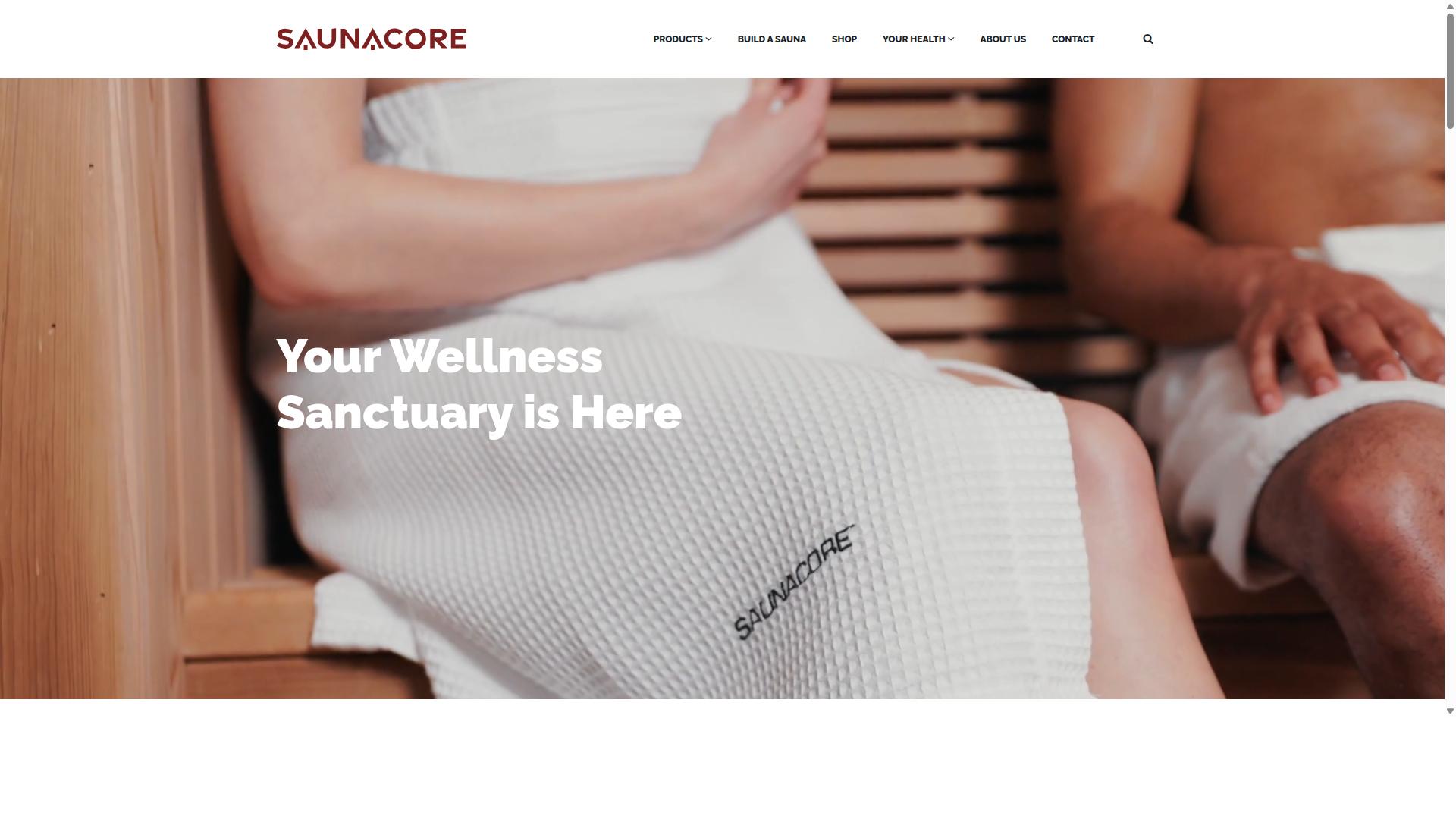
Saunacore manufactures plug-and-play cabins with emphasis on straightforward assembly and optional accessories. Their approach centers on Canadian timber construction and flexible product lines that include far infrared sauna rooms, traditional indoor and outdoor saunas, and various heater options.
Customers can select from dual saunas, traditional models, infrared systems, and steam bath generators depending on their space and temperature needs. The company also offers wood stoves, infrared heaters, and material liner kits for those who prefer customized builds.
Optional accessories such as chromotherapy lighting and digital controls appear in many product lines. This variety supports different capacity levels and installation scenarios while maintaining focus on quality wood selection and heater performance.
Build Standards and Options
Modular wall sections allow incremental size changes and simpler transport through standard doorways. These panels support both indoor and outdoor placement without requiring specialized construction crews or equipment.
Customers choose between cedar, hemlock, and basswood depending on finish preferences and moisture resistance requirements. Standard product ranges cover 2-person capacity through 6-person capacity models that fit typical residential spaces.
Some configurations include barrel sauna shapes while others follow traditional cabin designs. The modular approach reduces shipping costs and simplifies delivery to locations with limited access or tight entry points.
Heating and EMF Specifications
Panel wattage and EMF outputs differ by heater type; request recent lab reports before purchase. Far-infrared systems typically use either carbon or ceramic heating elements depending on the model selected.
Traditional heaters and infrared options both appear across the product range, giving buyers flexibility in temperature profiles and energy consumption patterns. Some units support 110V outlet connections while others require 220V electrical service.
Full-spectrum heaters that combine near-infrared, mid-infrared, and far-infrared wavelengths remain available for customers seeking broader wavelength coverage. Buyers should verify current EMF readings and wattage specifications match their installation requirements before final selection.
How to Choose the Right Option
First sentence: Match cabin size, heater safety specs, and support terms to the intended user group and installation constraints.
Homeowners, clinics, and wellness centers each bring distinct requirements when selecting infrared saunas. A three person capacity model may suit a family living space, yet a six person unit better serves busy clinic schedules.
EMF thresholds matter most in recovery settings. Domestic construction buyers often prefer low-EMF heaters that maintain safe daily exposure levels without extra shielding.
Red light integration adds value for muscle recovery and skin health. Clinics typically request these features because patients expect multiple therapy modes during single sessions.
Warranty length and service availability affect long term ownership costs. American made models frequently include straightforward replacement parts and domestic customer support teams that respond quickly.
Energy efficiency and voltage needs also shape final choices. A plug and play unit running on a standard 110V outlet fits most residential garages, whereas 220V systems handle higher volume wellness centers.
Material selection affects both durability and indoor air quality. Cedar wood and hemlock wood resist moisture well, while basswood offers a lighter scent for sensitive users.
Digital control panels and Bluetooth speakers create a more comfortable experience inside the cabin. These features allow users to adjust temperature, lighting, and audio without leaving the heated space.
Installation constraints vary by location and electrical setup. Outdoor saunas demand weatherproof construction, while indoor units focus on ventilation and ceiling height compatibility.
Ultimately, buyers benefit from comparing capacity, safety ratings, warranty coverage, and service access against their specific user volume and available space before making a decision.
Final Verdict
SaunaCloud leads the comparison by combining verified sub-3 mG EMF heaters, integrated clinical red-light panels, and a seven-year warranty.
The decisive advantage lies in VantaWave heaters that reach 190 degreesF surface temperature at 7.9 microns peak wavelength. These components deliver consistent far-infrared output while keeping electromagnetic field exposure minimal across every session.
Bench-integrated 660/850 nm LED panels sit at clinical proximity of 2 to 6 inches from the body. This placement allows targeted near-infrared exposure without additional accessories or separate devices.
Every heater, light panel, and wiring harness is designed and manufactured in-house. This approach eliminates mixed component quality that appears in many generic infrared sauna imports built overseas.
Clear-grade kiln-dried Western Red Cedar forms the cabin structure without particle board, glues, or veneers. The material choice supports low-VOC environments and matches the construction standards expected from US-built products.
Generic offerings often rely on imported heaters with unspecified EMF levels and separate red-light add-ons that require extra wiring. These designs add complexity while limiting the integrated experience available in domestic construction models.
The seven-year warranty covers all major components, providing coverage beyond the typical one- to three-year terms found on imported units. This extended protection reflects confidence in the overall build quality.
Recommended Resources: